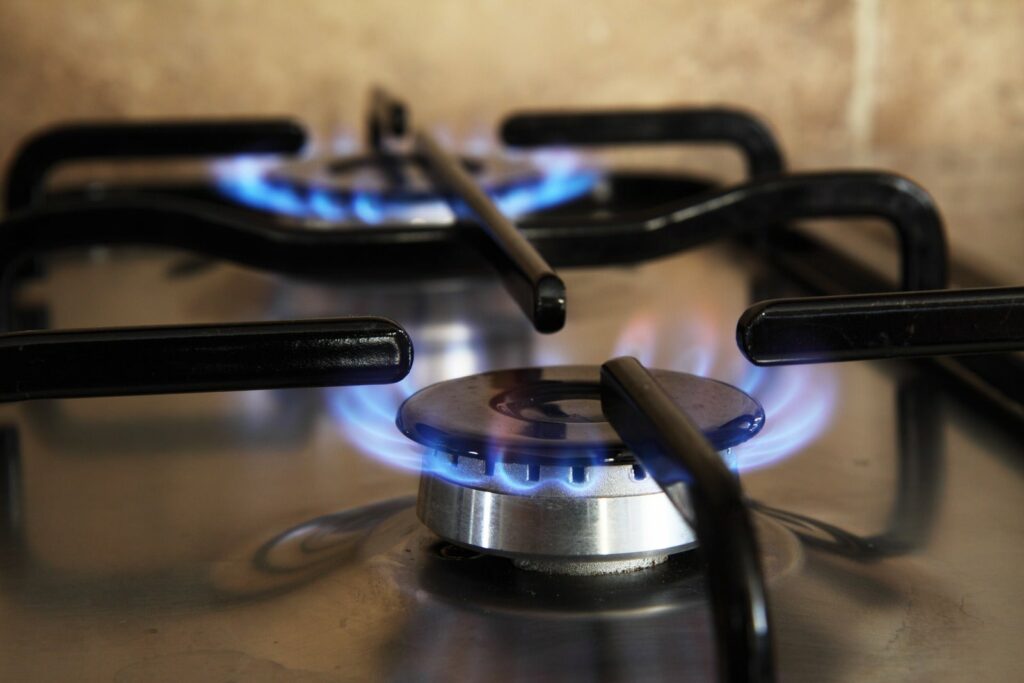
Yes. If you live in an existing Victorian home that is already connected to gas, you can generally continue using your existing gas appliances.
There has been considerable confusion about Victoria’s new electrification rules. Some homeowners believe gas appliances are being completely banned or that every home must disconnect from gas.
That is not correct.
The new rules mainly affect new homes, new gas connections and some gas hot water replacements from 2027. They do not require homeowners to remove working gas appliances from existing homes.
The quick answer
For an existing home that is already connected to gas:
| Appliance or work | Is it still allowed? |
| Keep using an existing gas cooktop | Yes |
| Repair an existing gas cooktop | Yes |
| Replace an existing gas cooktop | Yes |
| Keep using an existing gas storage hot water system | Yes |
| Repair an existing gas hot water system | Yes |
| Replace a traditional pilot-light gas storage unit | Often yes, subject to the exemption requirements |
| Keep using existing gas heating | Yes |
Can I replace my gas cooktop in Victoria?
Yes.
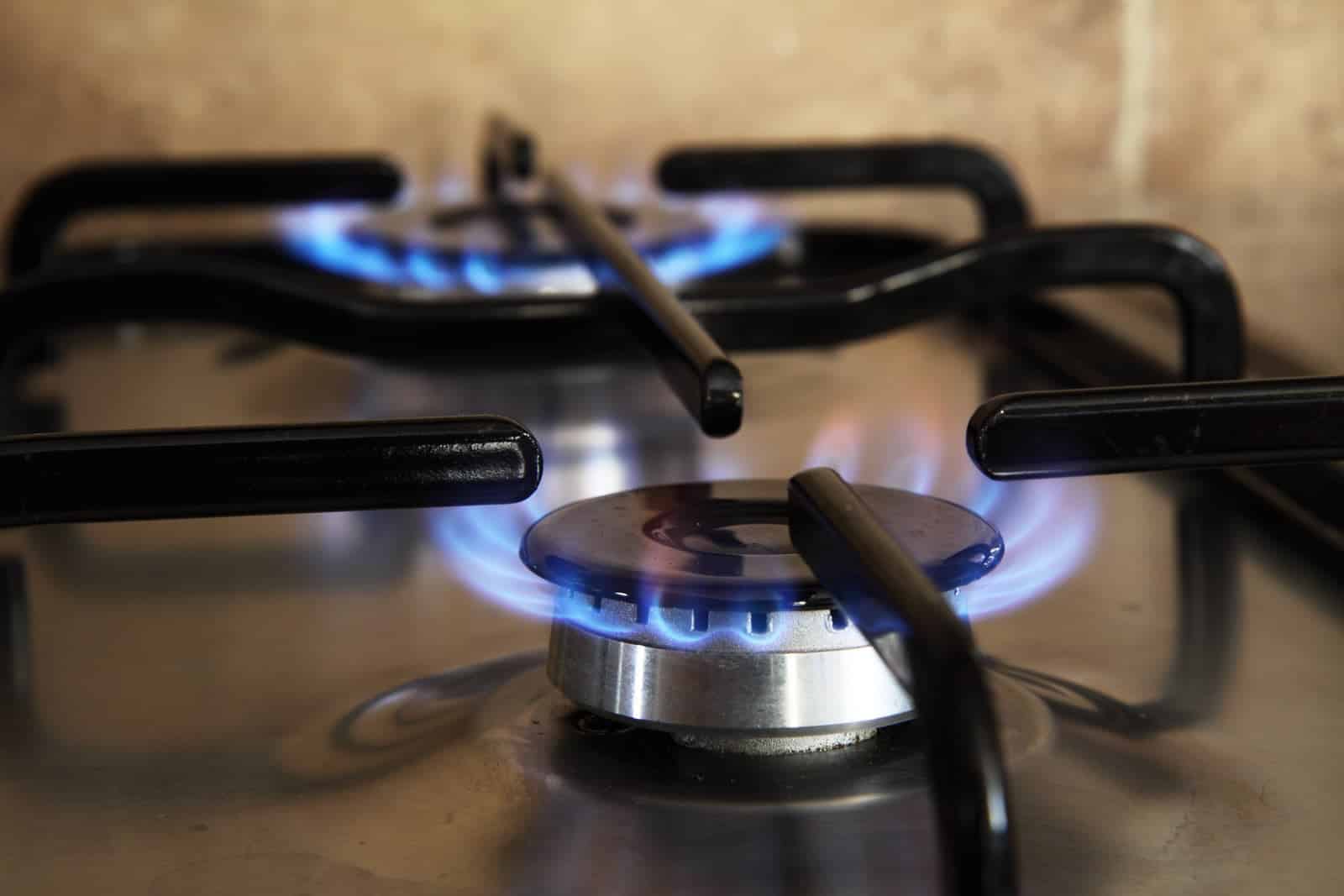
If your existing home is already connected to gas, you can continue using, repairing and replacing your gas cooktop.
The new rules do not require homeowners to remove an existing gas cooktop or convert to induction cooking.
Any new gas cooktop must still be installed by a licensed gasfitter and comply with the usual gas safety, ventilation and clearance requirements.
Can I repair my gas hot water system?
Yes.
Existing gas hot water systems can continue to be serviced, maintained and repaired.
The changes commencing from 1 March 2027 do not mean that a repairable gas hot water system must be removed and replaced with an electric unit.
If your gas hot water system develops a fault, a plumber can first assess whether it can be safely and economically repaired.
Can I replace a gas storage hot water unit with another gas unit?
In many cases, yes.
The Victorian Government information includes an exemption for an existing gas hot water system that can operate without mains electricity. This commonly includes traditional gas storage hot water units with a standing pilot light.
Where the exemption applies, the existing gas storage hot water system may be replaced with another gas hot water system.
However, not every gas hot water unit automatically qualifies. Before ordering a replacement, the plumber should confirm:
- what type of gas hot water system is currently installed
- whether it operates without mains electricity
- whether the proposed replacement meets the exemption
- whether the existing installation complies with current plumbing and gas requirements
Continuous-flow gas hot water systems commonly require electricity to operate, so they may be treated differently from a traditional pilot-light gas storage system.
Do I have to disconnect my existing home from gas?
No.
Existing homeowners are not being required to disconnect their gas supply simply because the new regulations commence.
You can continue using compliant existing gas appliances, including gas cooking, gas heating and gas hot water.
The main changes are aimed at new residential buildings, new gas connections and certain gas hot water replacements. From 1 January 2027, new residential buildings must generally be constructed as all-electric.
What should I do before replacing a gas appliance?
Do not assume that gas is completely banned, and do not purchase a replacement appliance until the existing installation has been assessed.
Expert Plumbing & Gas Services can inspect your existing gas appliance and advise whether it can be:
- repaired
- replaced with another gas appliance
- replaced under a gas hot water exemption
- converted to an electric or heat pump alternative
The correct answer depends on the appliance, the property and the type of replacement being proposed.
This information is intended for existing Victorian homes already connected to gas. Rental properties have separate minimum energy-efficiency requirements, particularly when heating or hot water systems reach the end of their working life.
Information current as at 30 July 2026. Regulations and government guidance may change, so property-specific advice should be obtained before installing a replacement appliance.