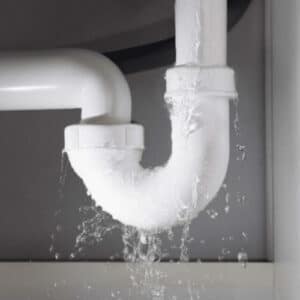
Imagine this: a sudden downpour hits Brunswick, and instead of water draining smoothly, your backyard turns into a swamp. The culprit? A blocked stormwater drain. But what’s causing the blockage? Is it tree roots, a collapsed pipe, or silt build-up? Here’s the kicker—most homeowners guess wrong. That’s why plumbers rely on precise methods to pinpoint the issue. Let’s break it down.
The Usual Suspects: What’s Blocking Your Drain?
Blocked stormwater drains don’t happen overnight. They’re the result of gradual build-up of external forces. Here are the three main culprits:
1. Tree Roots: Nature’s Silent Invaders
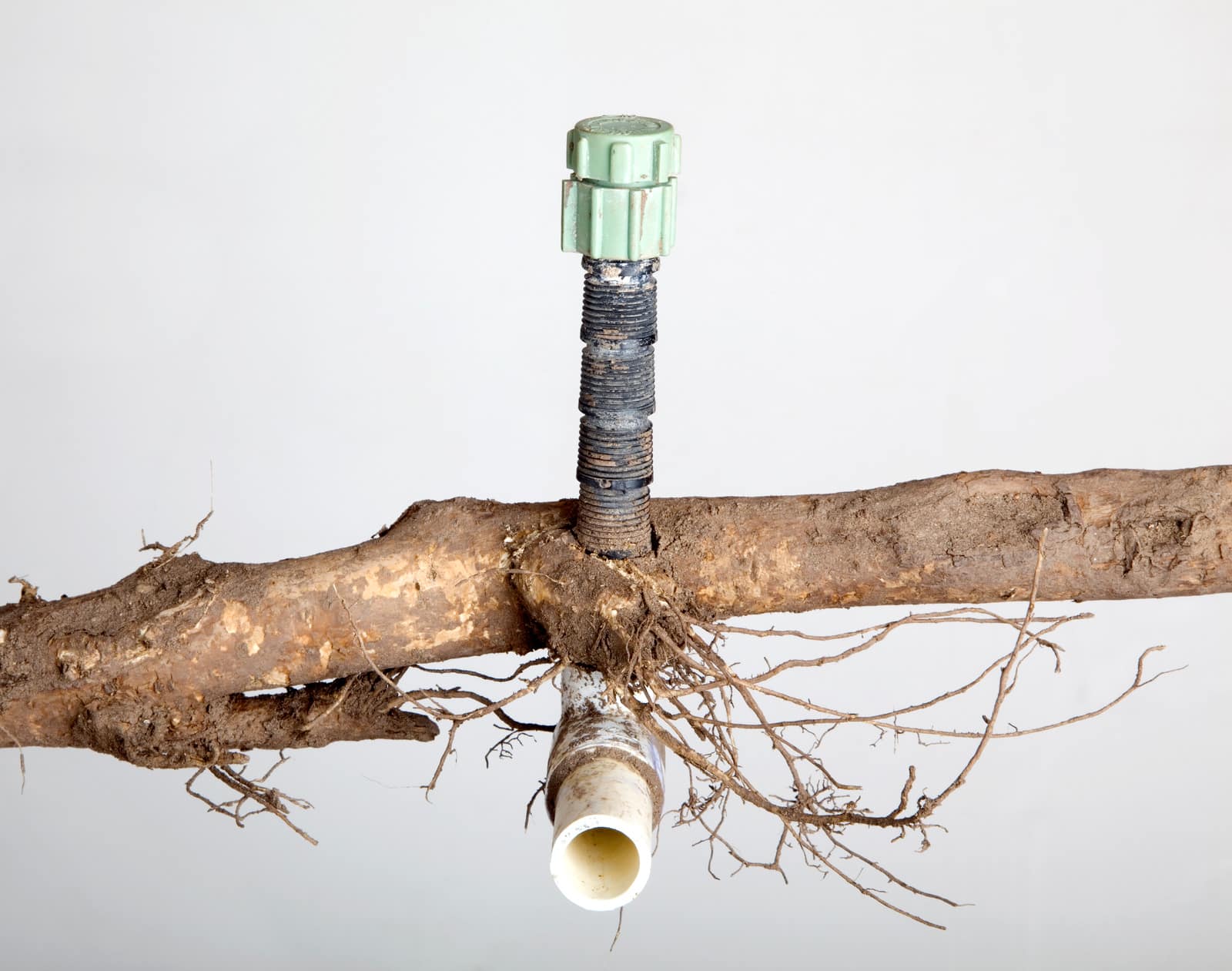
Tree roots are relentless. They seek out moisture, and your stormwater pipes are an easy target. Tiny cracks in pipes release water vapour, which attracts roots. Over time, these roots grow into the pipe, creating a dense web that blocks water flow.
How common is this? Extremely. In Brunswick and surrounding areas, mature trees like eucalyptus and plane trees are notorious for root intrusion. If your property has older pipes made of clay or earthenware, the risk skyrockets.
2. Collapsed Pipes: When Age Catches Up
Pipes don’t last forever. Older stormwater systems, especially those installed decades ago, can collapse due to wear and tear. Heavy vehicles driving over buried pipes or shifting soil can also cause them to buckle.
Signs to watch for: If water pools in specific areas of your yard or you notice sinkholes forming, a collapsed pipe might be the issue.
3. Silt and Debris Build-Up: The Slow Clog
Over time, silt, sand, and debris can accumulate in your pipes, especially after heavy rains. Unlike tree roots or collapsed pipes, this type of blockage builds gradually, often going unnoticed until water stops draining altogether.
Why it happens: Poor drainage design or lack of regular maintenance can lead to silt build-up. Properties near construction sites or unpaved areas are particularly vulnerable.
How Plumbers Pinpoint the Problem
Guesswork doesn’t cut it when it comes to stormwater blockages. Professional plumbers use a combination of tools and techniques to identify the exact cause. Here’s how they do it:
1. CCTV Drain Cameras: Eyes Inside the Pipe
CCTV drain cameras are a game-changer. Plumbers feed a small, waterproof camera into the pipe, giving them a clear view of what’s causing the blockage. Whether it’s a tangle of roots, a collapsed section, or a thick layer of silt, the camera reveals all.
Why it’s effective: It eliminates guesswork. Plus, plumbers can record the footage, which is handy for insurance claims or council disputes.
2. High-Pressure Water Jetting: Diagnosis and Treatment in One
Before inspecting the pipe, plumbers often use high-pressure water jetting to clear minor blockages. This tool blasts water at up to 4,000 PSI, cutting through roots and flushing out debris.
Bonus: If the blockage is cleared during jetting, the plumber can immediately inspect the pipe with a camera to check for underlying damage.
3. Acoustic Listening Devices: Finding Hidden Leaks
For collapsed pipes or cracks, acoustic devices can detect the sound of water escaping. This method is particularly useful when the damage isn’t visible from above ground.
When it’s used: If there’s no obvious blockage but water isn’t draining, plumbers might suspect a hidden leak or collapse.
Real-World Example: A Brunswick Homeowner’s
Nightmare
Take the case of a Brunswick homeowner who noticed water pooling near their driveway after every storm. They assumed it was silt build-up and tried DIY solutions like drain cleaners and plungers. Nothing worked.
When they finally called a plumber, a CCTV inspection revealed the real issue: tree roots had completely invaded the stormwater pipe. High-pressure jetting cleared the roots temporarily, but the plumber recommended replacing the damaged section with PVC piping to prevent future problems.
The lesson? Identifying the root cause (pun intended) saves time, money, and frustration.
Why DIY Fixes Often Fail
It’s tempting to tackle a blocked drain yourself, especially with so many DIY products on the market. But here’s the truth: most of these solutions only address surface-level symptoms, not the underlying problem.
Common DIY Pitfalls:
- Chemical Drain Cleaners: These might dissolve minor debris but won’t touch tree roots or fix collapsed pipes. Worse, they can damage older pipes.
- Plungers or Drain Snakes: Effective for small blockages in household drains, but useless for deep stormwater blockages.
- Ignoring the Problem: Hoping the blockage will “fix itself” often leads to more severe damage, like flooding or pipe collapse.
Professional plumbers have the tools and expertise to diagnose and fix the issue properly. It’s an investment that pays off in the long run.
Prevention: Keeping Your Stormwater Drains Clear
Once your drain is unblocked, how do you keep it that way? Here are some practical tips:
1. Regular Inspections: Schedule a CCTV inspection every couple of years, especially if your property has older pipes or large trees nearby.
2. Gutter Maintenance: Clean your gutters and downpipes regularly to prevent debris from washing into your stormwater system.
3. Install Root Barriers: If tree roots are a recurring issue, root barriers can protect your pipes.
4. Upgrade Old Pipes: Replace clay or earthenware pipes with durable PVC piping to reduce the risk of collapse or root intrusion.
5. Divert Surface Water: Ensure your property’s landscaping directs water away from vulnerable areas.
The Bottom Line
Blocked stormwater drains are more than just an inconvenience—they can lead to costly damage if not addressed quickly. Whether it’s tree roots, a collapsed pipe, or silt build-up, the key to solving the problem lies in accurate diagnosis. With tools like CCTV cameras and high-pressure jetting, plumbers can pinpoint the issue and recommend the best solution.
So, next time your backyard starts flooding, skip the guesswork and call a professional. After all, knowing the cause is half the battle.