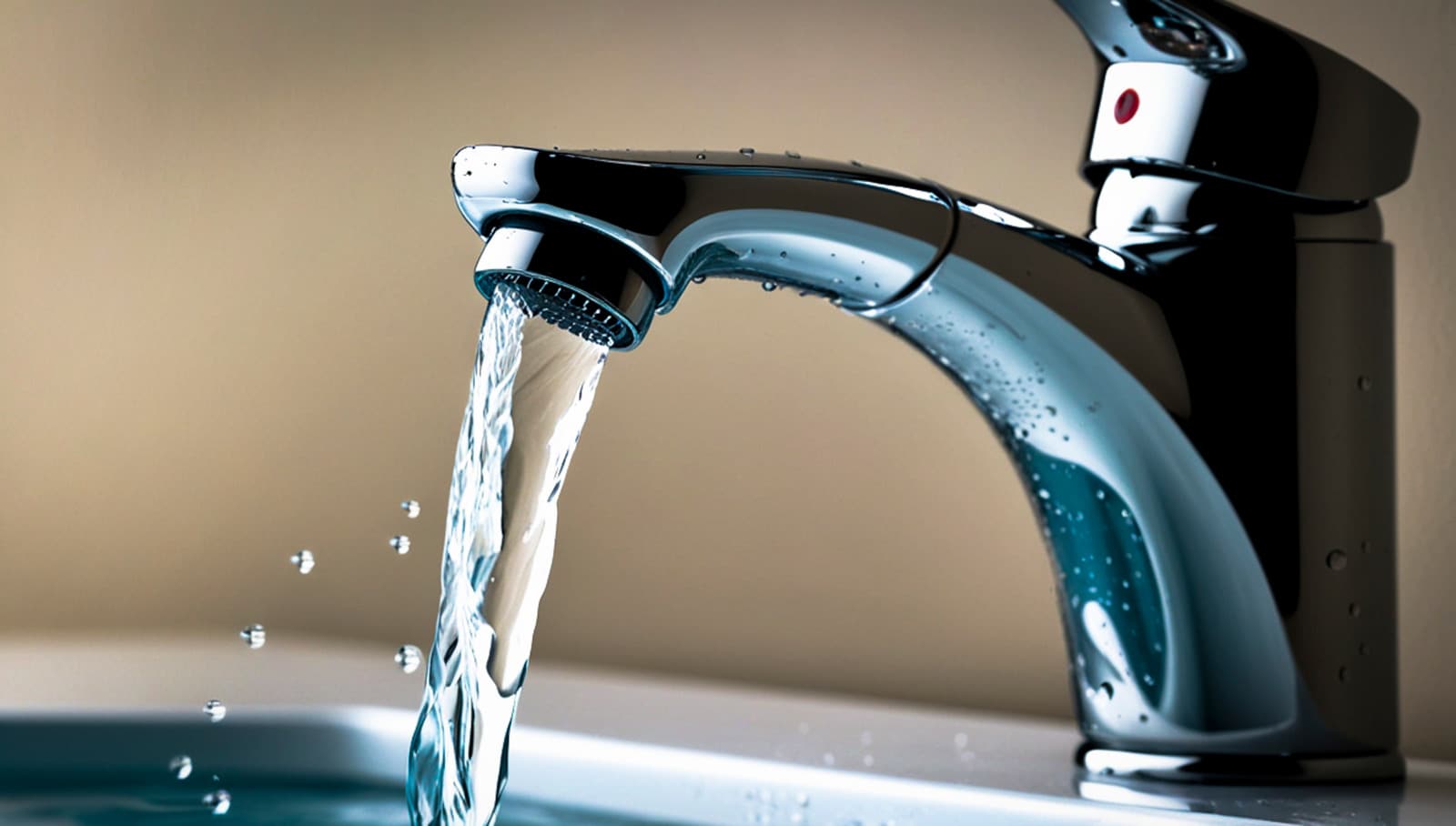
Would you drink a glass of water if it tasted like coins?
That metallic tang in your tap water isn’t just unpleasant it’s a signal. Sometimes it’s harmless, but other times it’s a warning sign of something that needs your attention. Understanding the difference could save you from bigger problems down the track.
So, what’s behind that strange taste? And when should you be worried?
What Causes Metallic-Tasting Water?
The metallic taste in water usually comes down to one thing: minerals and metals. But the source of those metals can vary.
1. Your Plumbing
2. If your home has older pipes, especially ones made of galvanised steel or copper, they can corrode over time. This corrosion releases tiny particles of metal like iron, zinc, or copper into your water.
3. For example, iron gives water a rusty, metallic flavour, while copper can leave a bitter taste. If the issue is your pipes, you might notice the taste is stronger when you first turn on the tap after water has been sitting in the pipes overnight.
4. The Water Source
5. Sometimes, the problem isn’t in your home but in the water supply itself. Groundwater naturally contains minerals like iron and manganese, which can affect the taste. If your water comes from a bore or a well, this is especially common.
6. Water Treatment Chemicals
7. Municipal water suppliers often add chemicals like chlorine to disinfect the water. While chlorine itself doesn’t taste metallic, it can react with other substances in the water, creating that distinct flavor.
When Should You Be Concerned?
Not all metallic-tasting water is dangerous, but some situations should raise red flags.
1. Your Pipes Are Corroding
Corroding pipes don’t just affect the taste of your water they can also lead to leaks or blockages. Worse, if your pipes are made of lead (common in homes built before the 1980s), the water could contain lead particles. Lead is toxic, even in small amounts, and can cause serious health issues,
especially in children.
If you suspect lead pipes, don’t wait. Get your water tested and consider replacing the pipes.
2. High Levels of Iron or Manganese
While these minerals aren’t toxic, they can stain your sinks, toilets, and laundry. Over time, they can also build up in your plumbing, reducing water flow.
3. A Sudden Change in Taste
If your water suddenly starts tasting metallic when it didn’t before, it could indicate a new problem, like a break in the water main or contamination in the supply. Sudden changes are always worth investigating.
What Can You Do About It?
If your tap water tastes metallic, here’s how to tackle the problem:
1. Flush Your Taps
If the metallic taste is stronger when you first turn on the tap, let the water run for a minute or two. This flushes out any water that’s been sitting in the pipes.
2. Test Your Water
A water test can identify the exact cause of the metallic taste. You can buy a DIY test kit or hire a professional plumber to do it for you.
3. Install a Water Filter
A good-quality water filter can remove metals and improve the taste of your water. Look for filters that specifically target the metals you’re dealing with, like iron or copper.
4. Replace Old Pipes
If your plumbing is the culprit, replacing old or corroded pipes is the best long-term solution. It’s an investment, but it can improve your water quality and prevent future issues.
The Bottom Line
Metallic-tasting water isn’t always dangerous, but it’s never something you should ignore. It could be a sign of corroding pipes, high mineral content, or even contamination in your water supply.
If you’re unsure, start with a simple water test. From there, you can decide whether you need a filter, new pipes, or just a little peace of mind.
And remember: water should taste clean and refreshing not like pocket change. If it doesn’t, it’s time to take action.